
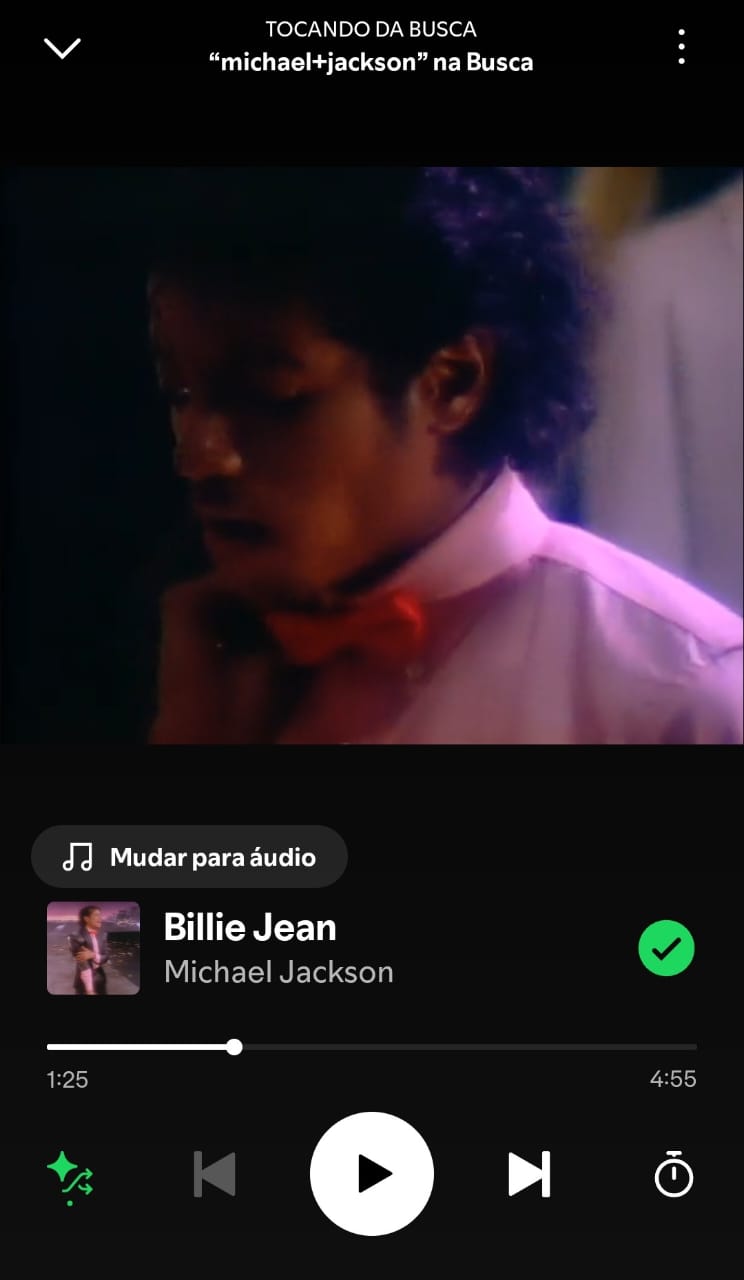
This is the type of song I randomly wake up with on repeat: “Billie Jean” by Michael Jackson. From its unmistakable bassline to its iconic moonwalk moment, this track remains one of the most defining musical statements of the 20th century. In this blog post, we’ll dive into everything that made this song a global phenomenon—from its chart-shattering success to the slick moves in the music video, plus a few hidden nerdy music theory nuggets for good measure.
1. INTRODUCTION: A Record-Breaking Pop Landmark
Released on January 2, 1983, “Billie Jean” was the second single from Michael Jackson’s sixth studio album, Thriller. Written and composed solely by Michael Jackson and produced by Quincy Jones, this song helped cement Jackson’s legacy as the King of Pop.
“Billie Jean” soared to the #1 spot on the Billboard Hot 100 where it stayed for seven consecutive weeks. It also topped the charts in multiple countries, including the UK, Canada, Switzerland, and Australia. The track not only won two Grammy Awards (Best R&B Vocal Performance, Male, and Best R&B Song) but also a permanent place in pop culture history.
The song features the legendary Louis Johnson of The Brothers Johnson on bass, whose tight and funky groove defined the song’s rhythmic core. Guitarist David Williams added the driving rhythm guitar, and Greg Phillinganes provided the keyboard flourishes that musicians worldwide would later study.
2. HISTORY OF Billie Jean
At the time of writing “Billie Jean,” Michael Jackson was already a star but hadn’t yet become a global icon. The lyrics tell the tale of a woman named Billie Jean who claims the narrator is the father of her son—a claim he denies repeatedly. The story wasn’t pure fiction; Jackson hinted in interviews that the inspiration came from obsessive fans and letters from women alleging he was the father of their children.
The track almost didn’t make the final cut of Thriller. Quincy Jones initially disliked the song, especially the demo’s intro, but Jackson insisted on keeping it. Good thing he did—the now-legendary intro is one of the most recognizable in music history.
“Billie Jean” was also a major turning point in music television. Jackson’s performance of the song on Motown 25: Yesterday, Today, Forever (aired in May 1983) introduced the world to the moonwalk, creating a viral moment before viral was even a thing.
3. ON THE VIDEOCLIP
Directed by Steve Barron, the music video for “Billie Jean” became the first video by a black artist to be played in heavy rotation on MTV, breaking down racial barriers in the music industry. Released in 1983, the video was filmed in downtown Los Angeles and featured groundbreaking visual effects for its time, including tiles that lit up with every step Jackson took.
There was no choreographer for this video—Jackson improvised the entire routine during the shoot, a rare feat that speaks to his natural genius. Though no prominent backup dancers were featured, Jackson’s charisma and precision made every second of the video magnetic.
The video’s cinematic feel was no accident—Steve Barron, who had directed for other major acts like A-ha and Dire Straits, wanted the visual to reflect the paranoia and isolation in the song’s lyrics.
4. TALK NERDY TO ME: Music Theory Trivia
Musically, “Billie Jean” is a masterclass in minimalism. It’s written in the key of F# minor and built around a repeating two-bar bass groove that stays mostly unchanged throughout the entire track. This hypnotic pattern is what gives the song its distinctive “loop” feel.
The drum pattern was created with a Linn LM-1 drum machine and enhanced with real snare and hi-hat samples to give it a unique hybrid sound. Jackson was obsessive about the song’s rhythm—reportedly, he had the audio engineer EQ the drum sound over 91 times until it was just right.
Another interesting tidbit: Michael Jackson’s signature vocal hiccups and percussive breaths serve not only as expressive tools but also as rhythmic elements that interact with the groove, almost like another instrument.
5. MORE from Michael Jackson
As if it is necessary… Michael Jackson’s discography is a treasure trove of pop, R&B, and soul gems. After “Billie Jean,” the Thriller album went on to produce a string of hits including:
- Thriller – With its horror-themed video directed by John Landis, this track redefined the music video as an art form.
- Beat It – Featuring guitar solos by Eddie Van Halen, it showcased Jackson’s rock chops.
- Smooth Criminal – Known for its anti-gravity lean and punchy brass stabs.
On YouTube, Jackson’s official channel features remastered versions of his music videos, live performances, and documentaries like Michael Jackson: The Legacy that offer deeper insight into his creative process.
Ther are other posts in this series about the King of pop:
The girl is mine FEATURING one Paul McCartney;
A thriller random access memories Jackson/daft punk mash up album that is pure gold;
Rock with you