
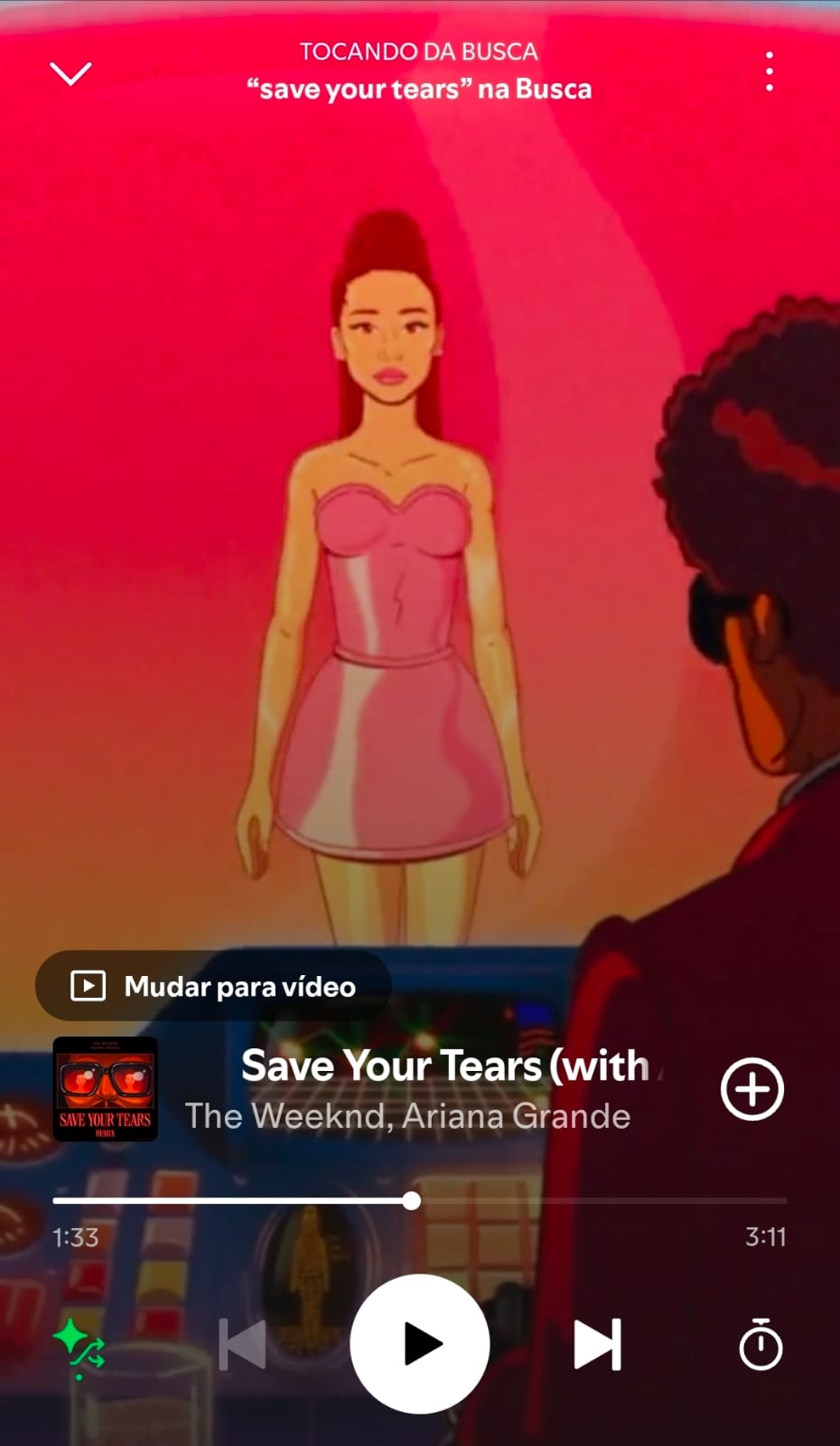
Always a good day when an ad reminds you of good music. That was exactly what happened when “Save Your Tears” by The Weeknd started playing during a commercial break. Just a few seconds of that unmistakable synth line, and suddenly, all the emotions and cinematic nostalgia of the song came flooding back.
“Save Your Tears” isn’t just another hit from The Weeknd. It’s one of his most perfectly balanced songs — melancholic yet danceable, futuristic yet nostalgic. Released in 2020 as part of the album After Hours, it marked a defining moment in his career, where his signature dark R&B sound collided beautifully with shimmering 80s pop influences.
Even years later, it still feels like a song that could have come out yesterday or thirty years ago. That timeless quality is what makes it one of The Weeknd’s greatest achievements.
Who Is The Weeknd
The Weeknd, born Abel Makkonen Tesfaye, emerged in the early 2010s as one of the most distinctive and influential artists of his generation. His early mixtapes — House of Balloons, Thursday, and Echoes of Silence — introduced a moody, atmospheric take on R&B that was both emotionally raw and sonically experimental.
By the time he released Beauty Behind the Madness in 2015, featuring global hits like “Can’t Feel My Face” and “The Hills”, The Weeknd had become a mainstream superstar. But instead of settling into comfort, he kept evolving.
With After Hours, he created a fully realized world of neon lights, heartbreak, and self-reflection. The album combined glossy 80s production with his signature themes of love, regret, and fame. “Save Your Tears” stands at the center of that universe, bridging vulnerability and allure in a way few artists can manage.
The Sound of Save Your Tears
The moment “Save Your Tears” begins, it feels like a dream sequence. Sparkling synths and a steady electronic beat create a retro soundscape that immediately transports you somewhere between a dance floor and a lonely midnight drive.
The production, crafted by The Weeknd along with Max Martin and Oscar Holter, is a masterclass in balance. The beat pulses with energy, but the atmosphere remains introspective. Every element — from the reverb-soaked vocals to the haunting background echoes — feels meticulously placed.
Lyrically, the song tells the story of emotional distance and missed connection. The Weeknd’s voice carries both regret and detachment as he sings, “You could’ve asked me why I broke your heart, you could’ve told me that you fell apart.” It’s not a confession, exactly, but a reflection. He’s looking at love through the rearview mirror.
The melody moves smoothly, alternating between light melancholy and quiet triumph. Even as he sings about heartbreak, the song makes you want to move. That contrast between sadness and rhythm is what gives “Save Your Tears” its emotional power.
Talk Nerdy to Me: A Music Theory Perspective
From a music theory standpoint, “Save Your Tears” is a brilliant example of emotional storytelling through harmonic choices. The song is written in C major, but its progression frequently borrows chords from the relative minor key (A minor), giving it that bittersweet tone that defines much of The Weeknd’s work.
The main chord progression — C, G, Am, F — is simple but effective. It’s the same progression used in countless pop classics, but here it’s transformed by lush synth textures and precise production choices. The sustained synth pads and sidechain compression create a feeling of motion that’s hypnotic rather than static.
At around 118 BPM, the tempo sits right in the sweet spot for modern pop — fast enough to groove to, but slow enough to carry emotional depth. The rhythm section relies heavily on a driving electronic kick and snare, which mimic the pulse of 80s drum machines while keeping the sound clean and modern.
Melodically, The Weeknd’s vocal lines use a mix of stepwise motion and high leaps, particularly in the chorus. When he reaches the line “Save your tears for another day”, his voice lifts just enough to make it feel like release, both musically and emotionally.
Harmonically, the song achieves its emotional tension through suspended chords and delayed resolutions. This technique mirrors the lyrical theme — emotions held back, never fully released until it’s too late. It’s a perfect fusion of structure and storytelling.
Cultural Resonance
When “Save Your Tears” was released, it quickly became one of the defining songs of the 2020s. It topped charts around the world, earning multi-platinum certifications and hundreds of millions of streams.
But more importantly, it resonated because it arrived at a moment when people were craving connection and reflection. The song’s melancholic beauty felt like the perfect soundtrack for a world learning to dance again after heartbreak and isolation.
The accompanying music video elevated its impact even further. Featuring the singer in his After Hours persona, complete with a stylized, surgically altered face, the video explored themes of fame, vanity, and identity. It blurred the line between art and performance, reinforcing his reputation as one of the most visually daring artists of the decade.
Then came the remix featuring Ariana Grande, which breathed new life into the track. Their vocal chemistry gave the song an added layer of emotion, and the collaboration reintroduced it to pop audiences across generations.
Beyond the charts, “Save Your Tears” has become a modern standard. It’s a song that captures the sound of nostalgia without ever feeling stuck in the past. Like the best pop music, it speaks to longing and self-awareness in equal measure.
Comparisons and Legacy
Within the singer catalog, “Save Your Tears” represents the perfect balance between his early emotional introspection and his later pop mastery. It bridges the moody minimalism of House of Balloons and the sleek sophistication of Starboy.
It’s often compared to “Blinding Lights”, another hit from After Hours, and for good reason. Both songs channel 80s pop and synthwave influences, but where “Blinding Lights” races toward euphoria, “Save Your Tears” lingers in reflection. It’s the softer, more human side of the same story.
The song also stands out for its emotional maturity. The singer doesn’t hide behind production or metaphor here. Instead, he faces heartbreak directly, but with calm acceptance rather than chaos. That evolution marks an artist who has grown both personally and musically.
In the larger scope of pop music, “Save Your Tears” continues The Weeknd’s mission of redefining what modern R&B and pop can be. It blends genre lines effortlessly — equal parts retro and futuristic, danceable and heartbreaking.
Why Save Your Tears Stands Out
What makes “Save Your Tears” timeless is how seamlessly it captures the feeling of bittersweet nostalgia. The melody is instantly memorable, but it’s the emotion beneath it that keeps listeners coming back.
The Weeknd has always been a master at pairing vulnerability with allure. Here, he reaches his peak. The song feels cinematic, like the closing credits of a movie you never want to end.
Musically, it’s pristine. Emotionally, it’s devastating. Every note, every lyric, every pause feels intentional. And while the sound is unmistakably polished, the heart behind it is pure sincerity.
It’s not just another pop hit; it’s a reflection of how far The Weeknd has come — from mysterious underground artist to one of the defining voices of modern music.
Other Great Songs by The Weeknd
- Blinding Lights – A pulsating synthwave anthem that redefined pop music for a new generation.
- Die for You – A soulful, emotional ballad that showcases The Weeknd’s vocal range and sincerity.
- Out of Time – A smooth, introspective track from Dawn FM that explores regret and lost love.
What about you? Do you remember the first time you heard “Save Your Tears” and got lost in its glowing synths and aching lyrics?
Share your story in the comments and send this post to someone who still believes that pop music can be both nostalgic and new.