
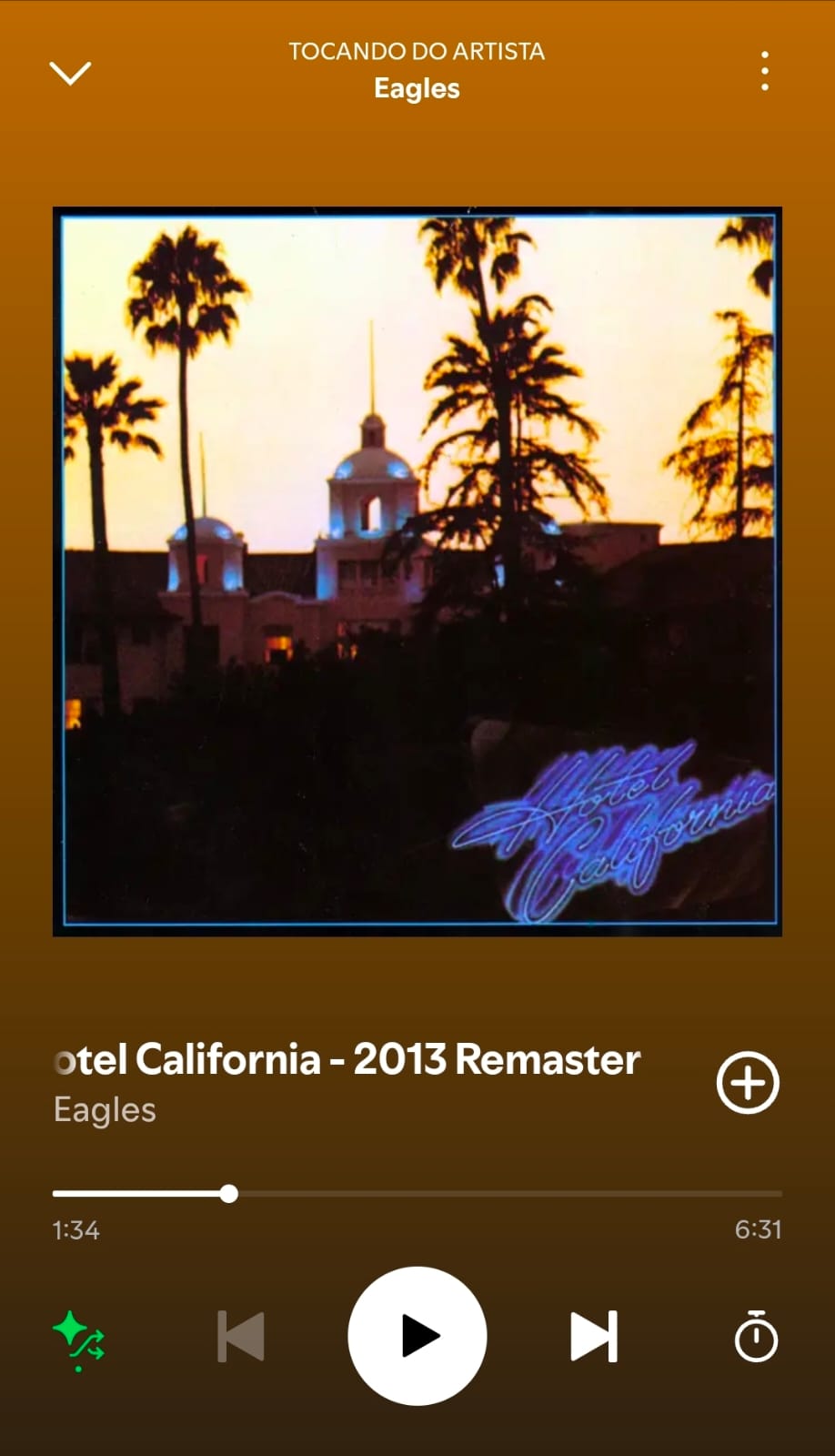
The Voice season means classics, remember? Few songs embody the timeless spirit of classic rock like “Hotel California” by Eagles. It’s one of those rare tracks that feels more like an experience than a song, filled with mystery, emotion, and layers of meaning that keep listeners coming back decade after decade.
Released in 1976 as the title track of the band’s Hotel California album, the song became an instant icon of American rock music. It captured the duality of the era, the glamour and the darkness, the freedom and the excess. Even today, its melody, guitar solos, and cryptic lyrics continue to fascinate fans and musicians alike.
Whether you hear it blasting from a classic car radio or performed live in a quiet bar, “Hotel California” has a magic that refuses to fade.
Who Are the Eagles
Eagles formed in Los Angeles in 1971, bringing together Don Henley, Glenn Frey, Bernie Leadon, and Randy Meisner. They were part of a wave of artists who blended rock, folk, and country influences to create a sound that came to define American soft rock in the 1970s.
From the start, the band was known for their impeccable harmonies and intricate songwriting. Early hits like “Take It Easy” and “Peaceful Easy Feeling” established them as storytellers of the open road and the American dream. But by the time Hotel California arrived, their sound had grown darker and more sophisticated.
It was an album about the loss of innocence, about the price of success, and about the haunting beauty of California, a place both glamorous and isolating.
At the heart of it all stood “Hotel California”, a song that summed up the spirit of the time and became the band’s signature piece.
The Sound of Hotel California
The first thing you notice when “Hotel California” begins is that unforgettable twelve-string guitar introduction. It’s warm, inviting, and just a little eerie, like the opening to a story where you know something extraordinary is about to happen.
The rhythm is slow and deliberate, driven by Don Henley’s steady drumming and Glenn Frey’s smooth rhythm guitar. Then comes the voice, Henley’s calm but haunting tone setting the scene: “On a dark desert highway, cool wind in my hair.”
The production is lush but never overwhelming. The acoustic and electric guitars weave together in perfect balance, while the bass line keeps the song grounded. As the track progresses, layers of harmony and percussion build until it reaches that legendary guitar solo that has gone down in rock history.
What makes the song unforgettable is its atmosphere. It feels like a dream, both beautiful and unsettling. You can almost see the neon lights flickering on the horizon as the lyrics pull you deeper into the story.
Talk Nerdy to Me: A Music Theory Perspective
From a musical perspective, “Hotel California” is a masterpiece of composition and arrangement. The song is written in the key of B minor, a key often associated with introspection and melancholy, which perfectly matches the song’s mysterious mood.
The chord progression is what gives “Hotel California” its hypnotic quality. The sequence Bm, F#, A, E, G, D, Em, F# repeats throughout much of the song, creating a sense of circular motion that mirrors the lyrical theme of being trapped in a place you can never leave.
The tempo sits at around 75 BPM, slow enough to create a relaxed groove but steady enough to carry a sense of tension beneath the surface. The rhythm section keeps the listener swaying while the guitars paint vivid emotional textures on top.
Harmonically, the interplay between the minor and major chords creates a constant push and pull. The verses feel introspective and mysterious, while the chorus lifts into something almost triumphant before falling back into darkness. This dynamic shift is key to the song’s storytelling power.
The dual guitar solo, performed by Don Felder and Joe Walsh, is one of the greatest in rock history. It begins as a melodic dialogue, then builds into soaring harmonies that express what words never could. From a technical standpoint, the solo blends blues phrasing with modal runs, adding to the song’s haunting quality.
Every note serves a purpose. Every chord feels deliberate. It’s the sound of a band at the peak of its creative power.
Cultural Resonance
When “Hotel California” was released, it immediately resonated with audiences around the world. It reached number one on the Billboard Hot 100 and earned the Eagles a Grammy Award for Record of the Year in 1978. But its true power goes far beyond awards or charts.
For many listeners, the song became a mirror of the 1970s, a time when success and excess often blurred together. The lyrics spoke of indulgence and disillusionment, of arriving in a paradise that turns into a prison.
Lines like “You can check out any time you like, but you can never leave” have been interpreted in countless ways. Some see the song as a critique of the music industry, others as a metaphor for addiction or fame. The beauty of “Hotel California” is that it allows for all of those interpretations and more.
It has appeared in films, commercials, and television shows, becoming shorthand for mystery, nostalgia, and moral reflection. And every time those opening chords play, listeners are transported into its haunting world once again.
The song’s influence also extends far beyond its original release. Countless artists have covered it, from rock and pop acts to flamenco guitarists. Its haunting narrative and intricate musicianship continue to inspire musicians across generations.
Comparisons and Legacy
Within Eagles’ vast catalog, “Hotel California” stands as the defining statement of their artistry. It captures the essence of what made them unique, impeccable musicianship, layered storytelling, and emotional honesty.
While songs like “Desperado” and “Take It to the Limit” explore similar emotional themes, “Hotel California” feels like their masterpiece. It’s the perfect intersection of narrative and melody, a song that rewards careful listening but also feels effortless.
The track also helped shape the identity of California rock. Alongside Fleetwood Mac, the Eagles became the sound of the West Coast smooth, reflective, and deeply human. Their ability to merge rock with country and folk influences changed popular music forever.
Decades later, “Hotel California” remains one of the most played and streamed rock songs in history. It’s both a classic and a mystery, a song that feels as relevant today as it did nearly fifty years ago.
Why Hotel California Stands Out
What makes “Hotel California” timeless is how it combines craftsmanship with emotion. It’s not just a story or a melody, it’s an experience. The song draws you in with its beauty, then leaves you thinking long after it ends.
Musically, it’s flawless. Lyrically, it’s poetic without being pretentious. Emotionally, it hits the perfect balance between hope and despair.
Every time you listen, you notice something new, a guitar detail, a harmony, a lyric that suddenly feels personal. That’s the hallmark of a true classic.
In the end, “Hotel California” is more than just a song by Eagles. It’s a myth, a memory, and a message all at once.
Other Great Songs by Eagles
- Take It Easy – The band’s first hit, full of charm, optimism, and that unmistakable California vibe.
- Desperado – A heartfelt ballad about solitude and redemption that showcases the band’s lyrical depth.
- Life in the Fast Lane – A high-energy anthem about excess and consequence, driven by Joe Walsh’s fiery guitar work.
What about you? Do you remember the first time you heard “Hotel California” and felt its haunting beauty?
Share your thoughts in the comments and send this post to a friend who still believes in the magic of classic rock.