
The heart iconography in art is often reduced to a universal symbol of love and romance. Yet, throughout history, the heart has carried far deeper and more complex meanings. In visual art, religion, and music, the heart represents pain, sacrifice, devotion, suffering, and emotional truth as much as affection. This article explores how the heart evolved as a powerful artistic symbol, moving between the sacred and the profane, from Baroque religious imagery to modern music and contemporary culture.
Why the Heart Is Not Only About Love
In artistic symbolism, the heart is rarely neutral. It is visceral, vulnerable, and deeply human. Unlike idealized symbols, the heart often appears wounded, exposed, pierced, or broken—making it a natural metaphor for emotional pain and existential suffering.
Artists have long used the heart to externalize inner experiences: grief, faith, trauma, and longing. Rather than symbolizing romantic fulfillment, the heart frequently stands for what hurts, what is sacrificed, and what defines personal identity. This emotional intensity explains why the heart remains one of the most enduring and powerful symbols across cultures and eras.
Art History: Frida Kahlo, the Sacred Heart, and Baroque Emotion
One of the most striking modern representations of the heart appears in “The Two Fridas” (1939) by Frida Kahlo. In this painting, Kahlo depicts two versions of herself seated side by side, their hearts exposed and connected by a vein. One heart is wounded and bleeding, symbolizing emotional pain, identity fracture, and personal loss. The heart here is not romantic—it is anatomical, raw, and deeply psychological.
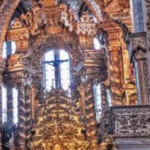
This imagery strongly echoes the tradition of the Sacred Heart in Baroque religious art. In Catholic iconography, the Sacred Heart of Jesus is often shown aflame, pierced, and bleeding, representing divine love expressed through suffering and sacrifice. Baroque artists emphasized dramatic contrasts, intense emotions, and vivid physicality to evoke spiritual devotion. The exposed heart became a bridge between divine compassion and human pain.
By connecting Kahlo’s deeply personal symbolism with Baroque religious imagery, we see how the iconography of the heart transcends time—shifting contexts but preserving its emotional gravity.
Musical Connections: The Broken Heart in Blues and Modern Pop
The heart’s symbolism extends beyond visual art into music, particularly through the enduring theme of the broken heart. In Blues music, heartbreak is foundational. Lyrics often transform emotional pain into storytelling, using the heart as a metaphor for loss, abandonment, and resilience. The wounded heart becomes a site of both suffering and creative expression.
In modern Pop music, this aesthetic persists, though often reframed visually and emotionally. From melancholic ballads to dramatic music videos, the broken heart symbolizes vulnerability, emotional exposure, and authenticity. Whether subtle or theatrical, the heart remains a central image for expressing inner turmoil in a way audiences immediately understand.
Across genres, the heart functions as a shared emotional language—proof that pain, when symbolized, can become art.
Read about heart in a song here in a blog post about It’s a heartache by Bonnie Tyler
Red, the Heart, and the Baroque Legacy
No discussion of heart symbolism is complete without addressing the color red. Universally associated with blood, passion, danger, and vitality, red amplifies the emotional intensity of the heart. In Baroque art, red was frequently used to heighten drama, spiritual ecstasy, and martyrdom, reinforcing the connection between love and suffering.
In contemporary culture, red continues to carry these layered meanings. It appears in fashion, design, and visual media as a signal of emotional extremes—desire, anger, pain, and power. When paired with heart imagery, red bridges the sacred and the profane, echoing Baroque aesthetics while remaining culturally relevant today.
Conclusion: Why the Heart Endures as a Symbol
The heart in art is far more than a decorative or romantic motif. It is a symbol of pain, devotion, identity, and emotional truth, capable of moving seamlessly between religious devotion and personal expression. From the Sacred Heart of Baroque art to Frida Kahlo’s exposed emotions, and from Blues laments to modern pop culture, the heart remains a powerful visual and emotional anchor.
Its endurance lies in its honesty: the heart, whether sacred or profane, reminds us that to feel deeply is to be human.