
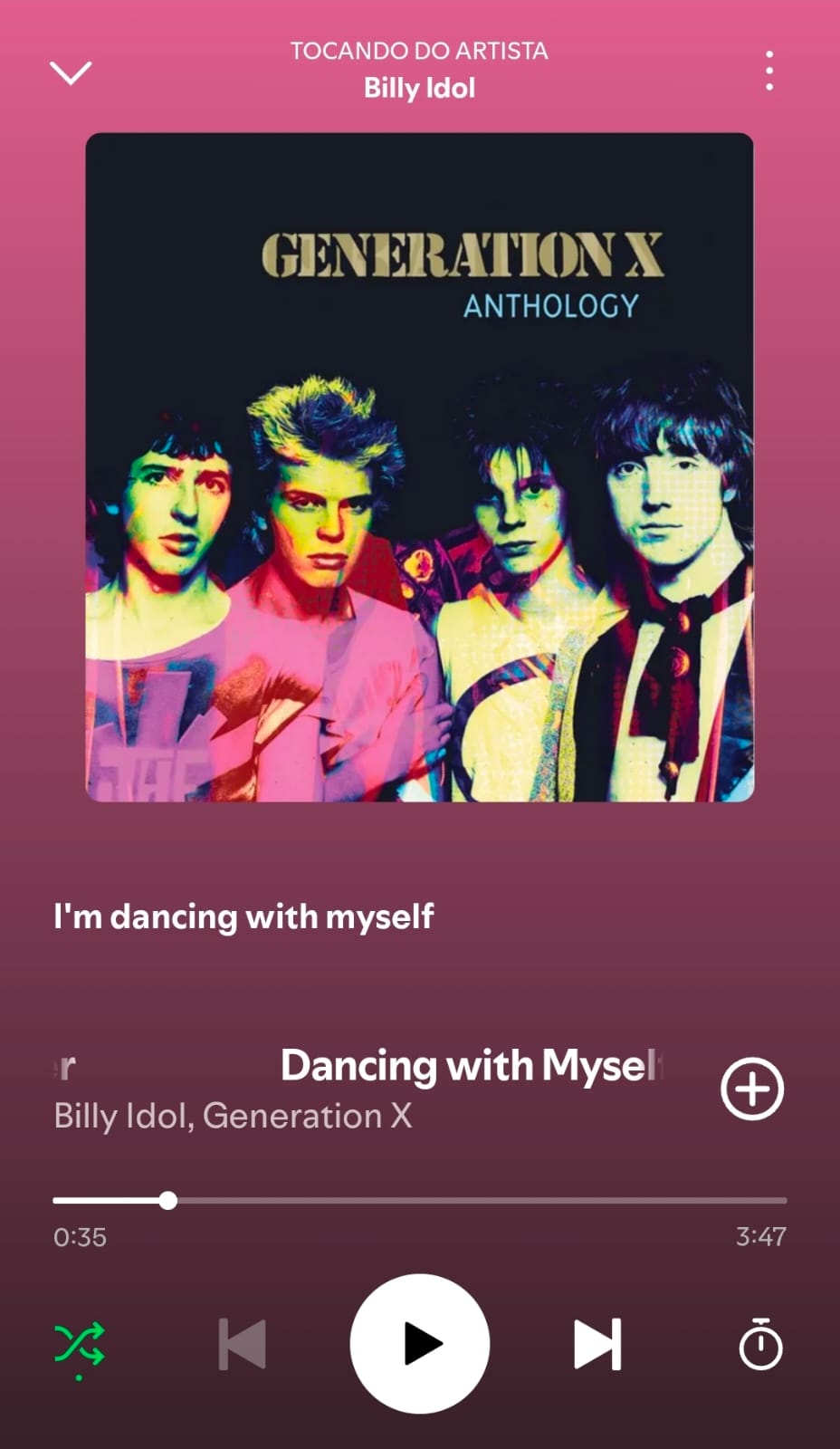
Some songs instantly capture the rebellious spirit of their time. Dancing With Myself by Billy Idol is one of those records.
Released in 1980 and originally recorded with Generation X before becoming a defining Billy Idol track, the song bridges punk attitude and mainstream rock accessibility.
For listeners searching Billy Idol Dancing With Myself meaning or Dancing With Myself song analysis, the track stands as a fascinating moment when punk energy transformed into a global pop rock anthem.
It is catchy.
It is rebellious.
And it remains instantly recognizable more than four decades later.
The Origins of Dancing With Myself
Before launching his solo career, Billy Idol was the frontman of the British punk band Generation X. During a tour in Japan in the late 1970s, Idol reportedly observed young fans dancing alone in clubs while looking at their reflections in mirrors.
That image inspired the central concept of Dancing With Myself.
The song was first recorded by Generation X in 1980. Later, after Billy Idol moved to the United States to begin his solo career, the track was re recorded and remixed for his debut solo album.
This version introduced a more polished production while maintaining the raw energy of its punk origins.
For readers searching Billy Idol early career or Generation X history, Dancing With Myself represents the transitional moment between British punk and MTV era rock stardom.
The Meaning Behind Dancing With Myself
The phrase dancing with myself might sound humorous or playful at first, but the song carries multiple interpretations.
At a literal level, it refers to dancing alone in a crowded club. Yet the deeper meaning explores themes of independence and self reliance.
Instead of waiting for connection or validation from others, the narrator chooses to enjoy the moment regardless of who is watching.
For listeners searching Dancing With Myself lyrics meaning, the song celebrates personal freedom and self expression.
There is also an element of irony and punk humor within the concept. The idea of dancing alone becomes a playful rejection of social expectations.
You do not need approval.
You can create your own experience.
Talk nerdy to me: Rhythm and Repetition
From a music theory standpoint, Dancing With Myself relies on rhythmic momentum and memorable hooks.
The song’s structure is straightforward but effective. It combines driving guitar chords with a steady drum pattern that reinforces its danceable quality.
Key musical elements include
- A punchy guitar riff that introduces the song’s core energy
- A steady rock beat maintaining consistent tempo
- Simple harmonic progression supporting vocal melody
- Chant like backing vocals reinforcing the chorus hook
The tempo sits comfortably within a dance friendly rock range, allowing the track to function both as a rock anthem and a club friendly song.
Billy Idol’s vocal delivery adds urgency. His slightly sneering tone reflects punk influence while maintaining melodic clarity.
For readers searching Dancing With Myself chord progression or punk rock songwriting techniques, the lesson is clear. Energy and attitude can be just as important as harmonic complexity.
Punk Roots and Pop Accessibility
One of the most interesting aspects of Dancing With Myself is its hybrid identity.
The song carries the raw spirit of late 1970s punk rock. Yet its catchy chorus and structured arrangement make it accessible to mainstream audiences.
This balance helped Billy Idol transition successfully into the emerging MTV era of the early 1980s.
The track maintained rebellious attitude while becoming radio friendly.
For SEO relevance, readers searching Billy Idol punk influence or early MTV rock songs frequently encounter Dancing With Myself as a key example of that crossover moment.
The Role of MTV and Visual Identity
When MTV launched in 1981, music videos quickly became a crucial part of artist identity. Billy Idol’s distinctive look played a major role in his success.
Bleached blond hair, leather fashion, and a confident stage presence made him visually unforgettable.
The video for Dancing With Myself amplified the song’s rebellious tone. Idol appeared energetic and charismatic, reinforcing the sense of individuality embedded in the lyrics.
For fans searching Billy Idol MTV era or iconic 1980s rock videos, this track represents an early example of how visual style helped define an artist’s cultural impact.
Cultural Longevity and Pop Culture References
Over the decades, Dancing With Myself has remained widely recognizable. The song continues to appear in movies, television shows, commercials, and sporting events.
Its chorus is instantly memorable and easy for audiences to sing along with.
Part of the song’s longevity comes from its universal theme. Everyone has experienced moments of independence or self amusement.
The track celebrates that feeling rather than criticizing it.
For listeners searching best Billy Idol songs or classic 80s rock anthems, Dancing With Myself consistently ranks near the top.
Production and Sonic Identity
The production of Dancing With Myself reflects the transition from late 1970s punk to early 1980s rock polish.
The guitars remain aggressive but controlled. The drums are clear and punchy. Background vocals add an anthemic quality without overwhelming the lead vocal.
This balance helped the song remain energetic while becoming radio friendly.
Unlike some heavily synthesized 1980s tracks, Dancing With Myself relies primarily on guitars and traditional rock instrumentation, giving it a timeless quality.
Three More Essential Songs by Billy Idol
If Dancing With Myself introduces you to Billy Idol’s catalog, these three songs highlight other defining moments in his career
1. Rebel Yell
A powerful rock anthem known for its explosive guitar riff and intense vocal delivery
2. White Wedding
One of Billy Idol’s most iconic songs blending dramatic atmosphere with hard rock energy
3. Eyes Without a Face
A melodic and introspective track that revealed a softer side of Idol’s songwriting
Together, these songs demonstrate the range of Billy Idol’s music from punk influenced rock to atmospheric pop rock.
Why Dancing With Myself Still Works
Many songs from the early 1980s feel tied to their era. Dancing With Myself avoids that fate because its structure and message remain simple and direct.
The rhythm invites movement. The chorus is instantly recognizable. The theme of personal independence still resonates.
For readers searching why Dancing With Myself is so popular or Billy Idol classic songs, the answer lies in authenticity.
The song captures a genuine moment of youthful energy and self expression.
Final Thoughts
Dancing With Myself by Billy Idol is more than a catchy rock single from 1980.
It represents the bridge between punk rebellion and mainstream pop culture success.
Through driving rhythm, memorable hooks, and playful lyrical themes, the song celebrates individuality in a way that continues to resonate decades later.
Some songs demand attention through complexity.
Others succeed through attitude.
Dancing With Myself proves that sometimes a great riff and a fearless sense of self are all you need.