
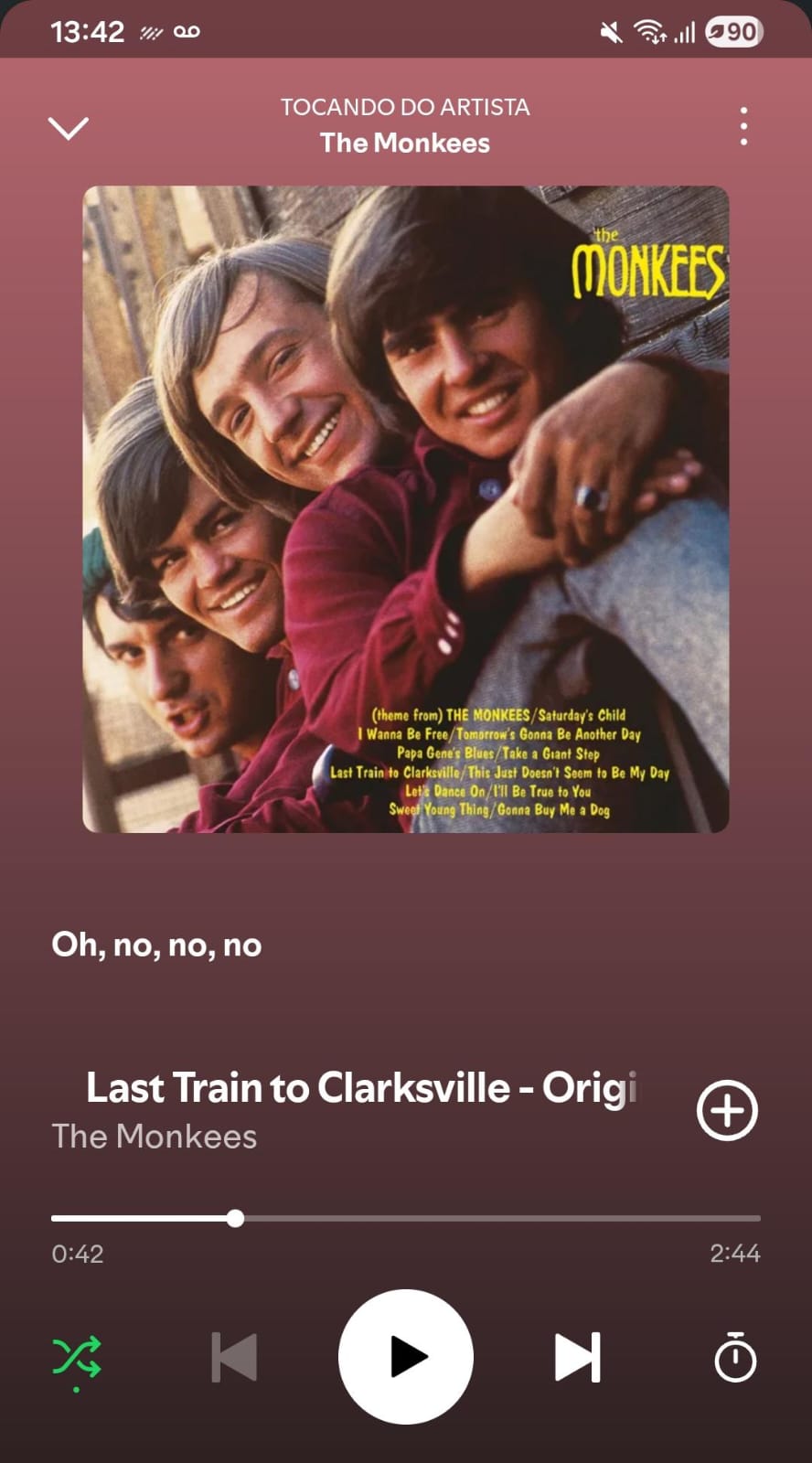
There is something instantly recognizable about Last Train To Clarksville by The Monkees. From the opening guitar riff to the upbeat tempo, the song captures the carefree spirit of the 1960s while quietly carrying a deeper emotional weight. Released in 1966, this track became the band’s debut single and quickly climbed to the top of the charts, establishing The Monkees as a major force in pop music.
For listeners in places like São Paulo or anywhere else in the world, the song still feels fresh. It is the kind of track that finds its way into playlists on sunny afternoons or nostalgic evenings. But beyond its catchy surface, Last Train To Clarksville has layers that make it worth revisiting.
The Story Behind Last Train To Clarksville
At first listen, the song seems like a simple love story. A man asks his partner to meet him before he catches the last train out of town. The urgency in the lyrics creates a sense of fleeting time and emotional tension. However, many fans and critics have pointed out that the song carries a subtle reference to the Vietnam War era.
The line about not knowing if he will ever return hints at the uncertainty faced by young men being drafted at the time. This dual meaning gives the song a bittersweet tone. It balances the bright, radio friendly sound with a more serious undertone, something that was not uncommon in 1960s pop music.
Interestingly, Clarksville itself is a real place in Tennessee, near a military base. While the songwriters never fully confirmed the connection, the interpretation adds another layer to the listening experience.
The Sound That Defined an Era
Musically, Last Train To Clarksville is rooted in the pop rock style that dominated the mid 60s. It features jangly guitars, tight harmonies, and a driving rhythm that keeps the energy high from start to finish.
The influence of bands like The Beatles is clear, especially in the guitar tone and vocal arrangement. At the same time, The Monkees managed to carve out their own identity. Their sound was polished, accessible, and perfectly suited for both radio play and television audiences.
The production is clean and focused, allowing each element to shine without overwhelming the listener. This simplicity is part of what makes the song so enduring.
Talk nerdy to me
From a music theory standpoint, Last Train To Clarksville is a great example of how simplicity can be effective. The song is built around a straightforward chord progression in a major key, which gives it that bright and uplifting feel. The use of I, IV, and V chords creates a familiar structure that listeners can easily connect with.
What makes it interesting is the rhythmic interplay between the guitar and drums. The guitar riff drives the song forward with a steady pulse, while the drums add subtle variations that keep the groove engaging. The vocal melody sits comfortably within the harmonic structure, making it both memorable and easy to sing along to.
Another key element is the use of harmony in the chorus. The layered vocals add depth and emotional resonance, reinforcing the urgency of the lyrics. For beginner musicians and producers, this track is a great case study in how arrangement and rhythm can elevate a simple harmonic idea into something iconic.
Cultural Impact and Lasting Appeal
When Last Train To Clarksville was released, it quickly reached number one on the Billboard Hot 100. It was not just a hit song. It was also closely tied to The Monkees television show, which helped amplify its reach.
The band itself was initially created for television, which led some critics to dismiss them as manufactured. However, songs like this proved that they had genuine musical value. Over time, The Monkees earned respect for their contributions to pop music.
Today, the song continues to appear in movies, commercials, and playlists. Its upbeat vibe and relatable theme make it timeless. Whether you are discovering it for the first time or revisiting it after years, it still delivers that same sense of energy and emotion.
Why the Song Still Resonates Today
There is a universal quality to Last Train To Clarksville. The idea of a last moment before separation is something that people across generations can understand. It does not matter if you are in Brazil, the United States, or anywhere else. The feeling is the same.
The combination of catchy melodies and meaningful lyrics creates a balance that few songs achieve. It is easy to enjoy casually, but it also rewards deeper listening.
In a world where music trends change quickly, this track stands as a reminder that strong songwriting and emotional authenticity never go out of style.
More Songs by The Monkees You Should Listen To
If you enjoyed Last Train To Clarksville, here are three more songs by The Monkees that are worth exploring:
- Daydream Believer
A softer, more reflective track with a memorable piano intro and heartfelt lyrics. - I’m a Believer
One of their biggest hits, known for its infectious energy and singalong chorus. - Pleasant Valley Sunday
A slightly more mature song that critiques suburban life while maintaining a strong pop appeal.
Each of these songs showcases a different side of the band while keeping the charm that made them famous.
Final Thoughts
Last Train To Clarksville is more than just a catchy 60s tune. It is a song that captures a moment in time while remaining relevant decades later. Its blend of pop sensibility, emotional depth, and subtle complexity makes it a standout track in The Monkees’ catalog.
Whether you are listening for the melody, the story, or the musical details, there is always something new to appreciate. And that is what makes it a true classic.